
SARAH GLYNN
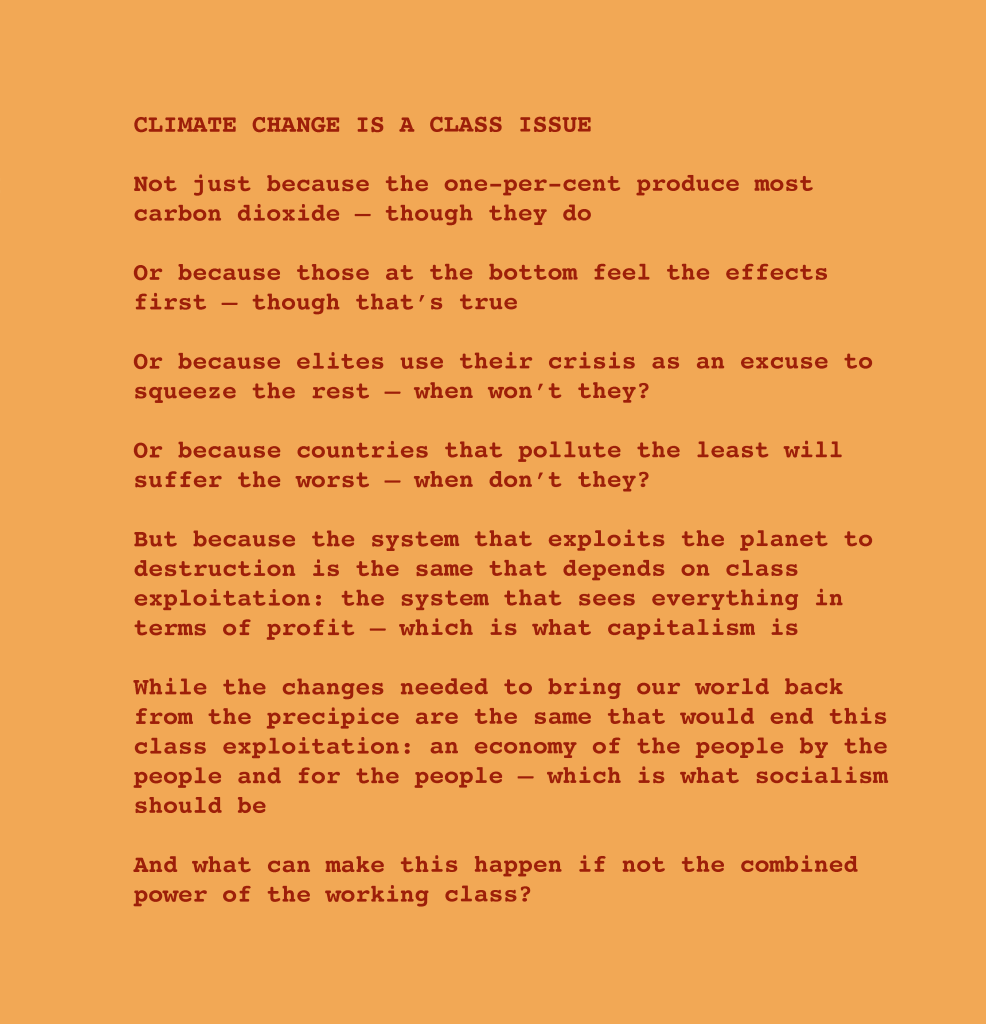
In the end, climate change impacts everyone. It will even get those who are raking in fortunes by destroying the planet: people who can buy their way out of temporary discomforts. It impacts the whole of the natural world. So why claim it is a class issue? This little book sets out to answer that question. It also looks at why this matters, and what this means we can do to avert the threat that hangs over us all.
Climate change is our biggest and most imminent danger, but our world crisis goes beyond even that. By treating the planet as a limitless resource, our modern society is destroying the environment everywhere. That is a class issue too, and part of this discussion.
We begin with what we can see around us.
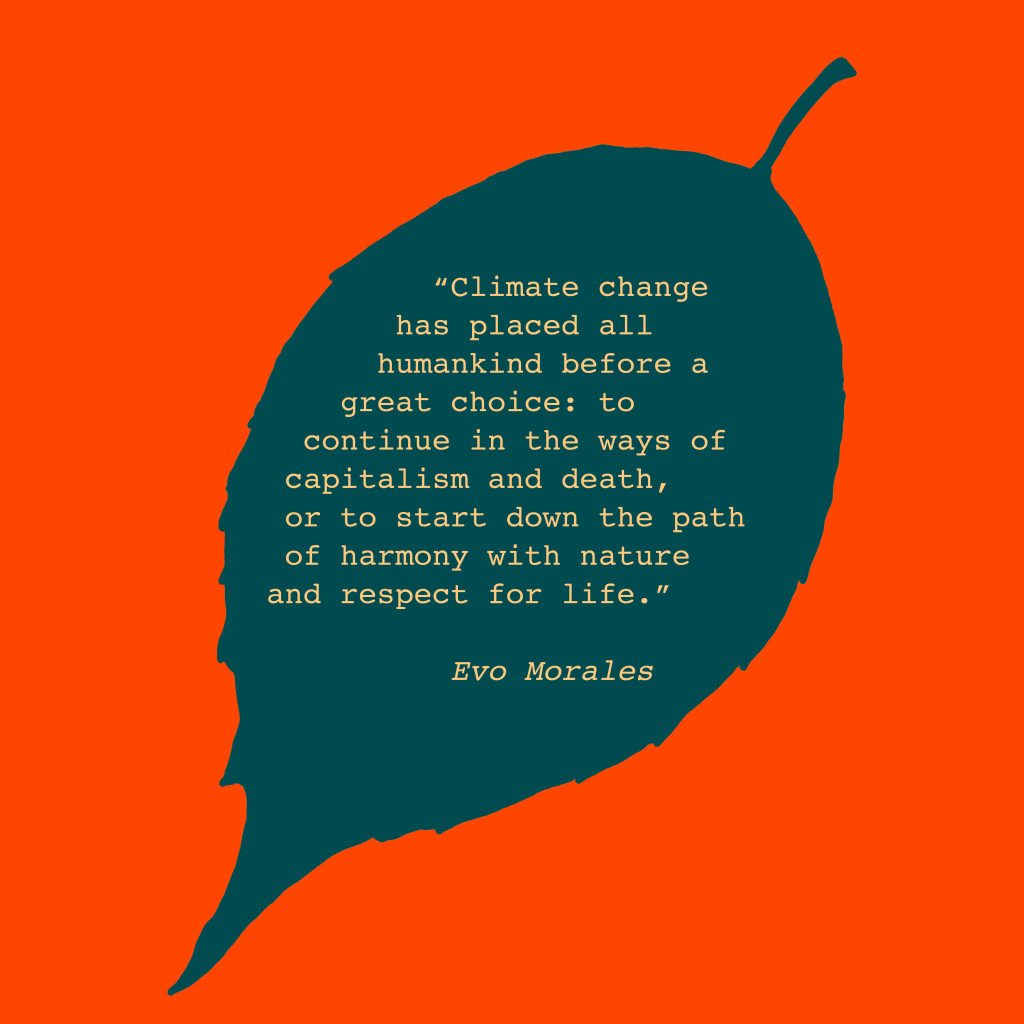
Not just because the one-per-cent produce most carbon dioxide – though they do
We know that carbon dioxide in the air allows light from the sun to pass through, but traps the heat given out by the warmed earth. Already in the nineteenth century, people were beginning to recognise that increases in carbon dioxide produced by the industrial revolution could increase the heat trapped and make our planet warmer.
Carbon dioxide is produced when we burn fuel to heat our homes or drive cars or fly planes. It is also produced when energy is used to make and transport things. Even things that are sold as energy savers may have already used a lot of energy and produced a lot of carbon dioxide in their manufacture.
Most of the things we buy are also made from materials that will be only partly recycled. They will be thrown away as though those materials are replaceable, but we can’t go on doing that for ever. We can’t go on burying and burning billions of dustbins full of stuff every week.
Wealthier people have bigger homes and more cars. They go on more flights and have more possessions and throw away more things. Their wealth is based on businesses and investments that produce carbon dioxide and boost consumerism. The wealthier people are, the more carbon dioxide they tend to produce, the more resources they use, the more they are invested in fossil fuels – and the more they contribute to the environmental crisis.
Or because those at the bottom feel the effects first – though that’s true
The crisis will catch up with the wealthy too in the end, but for now they can buy themselves some protection. They can afford homes away from the most dangerous flood plains and install energy-consuming cooling systems. They can choose not to work in extreme heat. When weather changes reduce supplies of foods, they can pay extra to make sure that they still get what they want. The poorer people are, the more likely they are to suffer serious consequences in times of disaster or be priced out of essential supplies in times of scarcity.
Or because elites use their crisis as an excuse to squeeze the rest – when won’t they?
On top of this, those in power are using the crisis to further exploit the people who are least responsible for causing it; just like they used the economic crash of 2008. They demand sacrifices by those with least to give. In Western countries, the politics of the last forty-five years has been aimed at reversing the gains made by workers in the decades following the second world war. It has been aimed at ensuring that most of the wealth that is created benefits those who are already wealthy; that hard-won services are sold off to private companies who will exploit their users; and that the ability to protest these things becomes more and more limited. Western powers have used their economic dominance to force similar policies on the Global South. Every disaster has been used as an opportunity for the wealthy to take back more of the world’s resources, and environmental collapse is no exception.
Always, there is pressure to preserve existing hierarchies and to extract more from working people. Politicians claim that they can combat climate change without disturbing the way our existing society functions. Their policies often end up penalising the less well-off while having little impact on carbon dioxide production. Some even cause production to increase.
Policy makers say that they can persuade people to produce less carbon dioxide by using taxes to raise energy costs. But wealthy people, who are the biggest producers, can afford to pay more, and the energy savings achieved are very far from what is needed. Meanwhile, the rise in costs affects everyone and may make the difference between a lower-income family just managing and that family spiralling into debt. In France, increased fuel duty, introduced as a ‘green policy’, triggered massive popular demonstrations in the movement that became known as the gilets jaunes, after the yellow vests worn by the protestors.
Rather than approach the introduction of energy saving systems logically and efficiently, this politics treats them as another business opportunity. Subsidies for green home improvements have fed the shareholders of a new generation of private companies. Where the companies have been properly regulated, they have also benefitted homeowners, but renters continue to pay the extra costs of living in energy inefficient homes.
Failure to meet modern insulation standards has been used as an excuse to demolish social housing and sell the land to private developers, although demolition and rebuilding is a hugely energy intensive process.
The working class is the least responsible for the environmental catastrophe and the most badly affected, and so-called environmental policies often increase inequality. Policies that make life more difficult for the working class are rightly protested. But environmental policies do not have to be like this: quite the opposite in fact.
Or because countries that pollute the least will suffer the worst – when don’t they?
Similar things are happening on an international scale. Rich ‘developed’ countries have already produced way more than their fair share of carbon dioxide; while poor ex-colonial countries are least protected from rising sea levels and the extreme weather conditions that climate change is making more and more common. Decades of pillage, together with privatisations imposed by the World Bank, have left them without the infrastructure needed for everyday life, let alone for coping with mass disaster.
These poorer countries have long been exploited for their resources by richer countries and multinationals. Climate change brings new opportunities for exploitation. It brings new demands for rare minerals to feed new green technologies (such as lithium for batteries), and it brings pressure from businesses in richer countries that want to relocate their polluting industries. Those richer countries can then appear to meet their green targets, and the businesses can avoid strict environmental regulations.
Within poorer countries, it is, again, those with least who are most exposed to the impacts of climate change, and to the exploitation carried out in the name of combatting it.
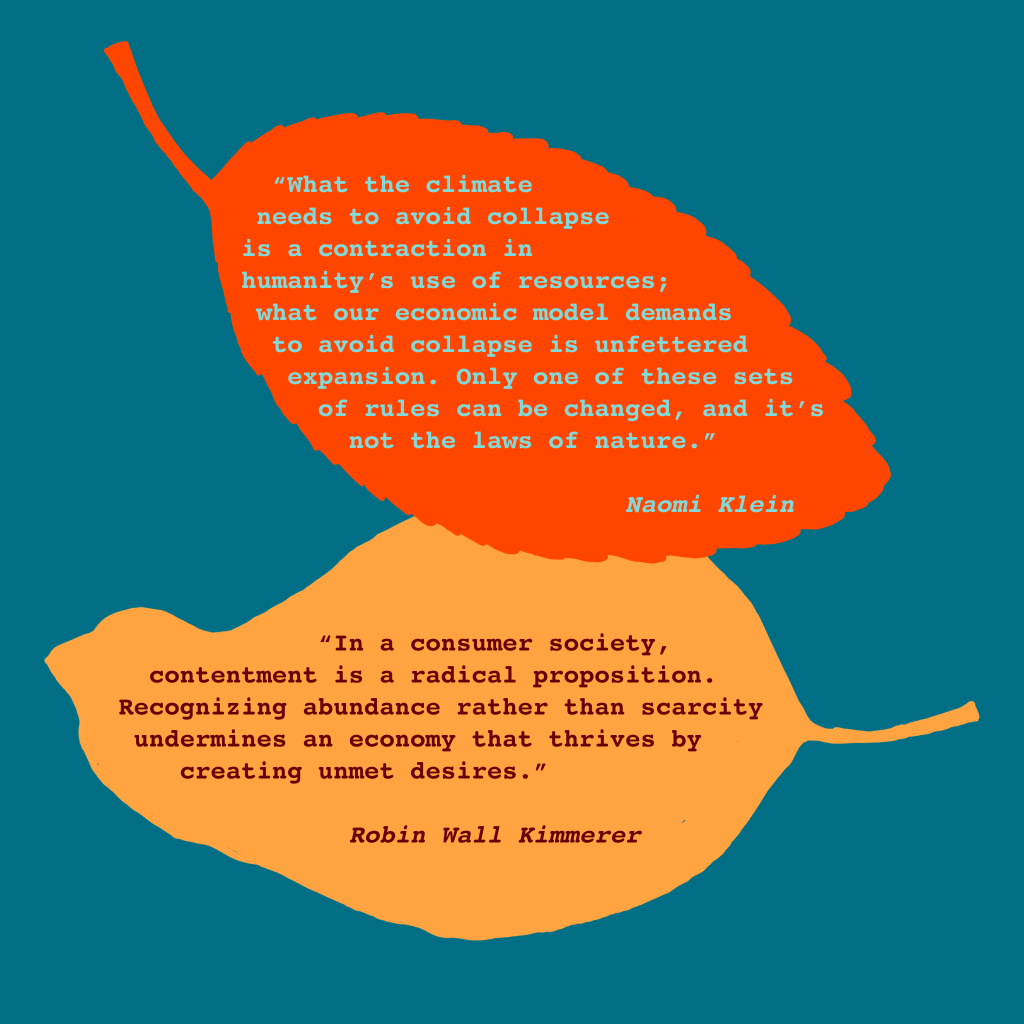
But because the system that exploits the planet to destruction is the same that depends on class exploitation: the system that sees everything in terms of profit – which is what capitalism is
The reason for the mismatch between responsibility and suffering is the same for climate change and the wider environmental crisis as it is for all aspects of the world’s increasing and brutal inequality. It is the result of capitalism: of capitalism’s prioritisation of profit and its need for constant economic growth. Market competition means that no business can afford to be content with what it has, as it risks being overtaken by its competitors. It must find new markets and create new demand. It must persuade us to buy products and services we neither need nor truly want, at the expense of more and more of the world’s resources. Everything is regarded as a potential source of profit. Capitalism exploits nature in the same way that capitalism exploits the working class. How both are treated depends only on their potential to make money.
When everything is left to the market, that is to private businesses, the economy doesn’t work in the service of society. Rather, society works for the economy; and that economy is locked into rapacious world-devouring expansion. If we were asked to invent a system for meeting human needs, we would, rightly, be suspicious of any proposal that put the priority not on need but on private profit. And we would outright reject any proposal that depended on limitless consumption of our limited common inheritance.
Meanwhile, capitalism’s constant need for more raw materials and more markets helps to drive countries towards war – when the working class is used as cannon fodder, and the environment is regarded as equally dispensable.
The manmade rules of the capitalist system are generally referred to as though they were unchangeable laws of nature: as though we had no choice but to organise society to put profit before everything. We might think it would be better to focus on human need and well-being and on living in tune with our natural environment, but we are told that that is not how the world works. We are told that people are innately selfish and that it is only through selfish competition that society develops. However, if we were really the selfish creatures the economists depict, human society would never have got off the ground. Humanity’s strength comes from our ability to organise together and help each other. We are told that planning for any form of society other than a capitalist one is not realistic – as though continuing with a system that is making our planet unliveable is a ‘realistic’ thing to do.
While the changes needed to bring our world back from the precipice are the same that would end this class exploitation: an economy of the people by the people and for the people – which is what socialism should be
The absurd thing is that we know that it is perfectly possible for humanity to live – and live well – without this costing the earth. We know the changes that need to be made in the way our society is organised, and we know how to use public funding to provide public goods and services and genuinely useful work. We know that if resources are shared equally and used rationally there is enough for everyone.
The changes required are big, but they are necessary for survival. They can also bring about a much happier and less stressful way of living. However, these changes threaten existing hierarchies, and are resisted by those in power.
One way that elites persuade the rest of us to support their interests – their very short-term interests in this case – is to make us fearful of change. We are told that we will lose our freedom and our way of life. We are not supposed to question what freedoms are threatened – the freedom to make the world uninhabitable, for example, or the freedom to exploit others. Nor are we expected to ask if a way of life that generates massive inequality and that sees most people spend most of their waking hours tied to tedious and insecure labour is a way of life that should be preserved unchanged.
Many of the things we value most – being with family and friends, making and enjoying music or art, dancing, playing and watching sport, exploring the natural world that surrounds us – do not need to use large amounts of valuable energy, nor to use up irreplaceable and limited resources. But we are always restricted in our enjoyment of these things because we are forced to spend so much of our lives on the capitalist treadmill. We use energy and resources to make more and more stuff that adds very little to human wellbeing, and we use our ingenuity to persuade others that this stuff is the key to their future happiness. This is what the capitalist system requires of us. We must never be happy with what we have, or we wouldn’t buy more. We work long hours, often on jobs that we can perceive are intrinsically pointless, and then spend our hard-won earnings on things that might save us a bit of time or seem to replace a bit of lost joy. We are caught on a treadmill that is designed to deprive us of both the time and the inclination to think beyond capitalist expectations.
Most jobs do not contribute much to humanity, but workers doing those jobs are dependent on them for a living. They can’t afford to see their livelihood disappear. Capitalists exploit the fear of unemployment like they always do. They use this fear to make people resistant to any change that would see these jobs go. However, a sustainable social system requires work too, just different work. Such a system can pay people to do the work that their community decides is important, and it can ensure, through a fairer distribution of resources, that everyone has enough to live on and enough time to enjoy life.
Public ownership of resources becomes even more important with the growth of AI. AI has the potential for generating big savings in the amount of human labour needed to sustain societies. In public hands, it can enable everyone to benefit. If left to capitalist markets, it will only produce greater inequality.
Public investment in alternative energy can ensure that this is developed in a way that best benefits society, rather than for maximum private profit.
Capitalism also teaches us to believe that endless economic growth is essential for our well-being. Only when we look out from behind the capitalist blinkers, can we see a clear route off this pathway to destruction. If public and communal organisations, at all levels, can provide for our basic needs, then we no longer have to rely on the market, with its insatiable appetite.
On every occasion when we demand public expenditure for the public good, we are told that the money isn’t available. At the same time, we are surrounded by wealth – by the products of generations of labour – and we have new technologies that allow labour to achieve ever greater productivity. If only there was a way to direct that wealth to where it is most needed… But, of course, there is.
Governments – national and regional – have the tools: it’s just that capitalism demands that they don’t use them. Public authorities at all levels have the ability to invest in changes that enable a more sustainable way of living – things such as affordable and comprehensive public transport. They can do this in a similar way to how Britain’s war-battered economy built the national health service. And governments can design taxation systems that prevent wealth being horded by the rich and allow it to be used to benefit everyone. Wealth taxes as well as income taxes can access wealth that has been built up, as well as wealth being created today.
When public authorities invest in this way, money doesn’t just disappear, it is used to build our shared wealth. This can provide a source of revenue for more public investment, or it can enable the provision of public goods and services. Free or subsidised goods and services contribute towards a more equal society. They can take us a step closer to a more needs-based community-centred economy.
We have been conditioned by capitalism to reject higher taxes and public spending, but if we want a rational world, with democratic control over the economy, these are vital tools.
This is not an argument for returning to centralised insensitive bureaucracies, such as dominated Eastern Europe or managed the public housing programmes of post-war social democracy. Democratic control demands that people have the opportunity to get involved in running their lives and in making the decisions that affect them. It means making decisions at the most local level possible.
Capitalism has persuaded us that public ownership and control should be a temporary last resort when a part of the capitalist economy has failed. But, if we want a sustainable and fair use of resources, a publicly owned and run economy should be our aim. This would not affect small businesses, just vital services and big enterprises that have come to dictate our economy and are sacrificing the future of humanity for their short-term profit.
Business owners will protest that public investment provides unfair competition, making their business less profitable. If those businesses are providing a needed role and can’t survive, they too can be taken into public ownership and control. The loss in private-sector jobs could be more than compensated by more secure public-sector jobs.
The success of anti-change propaganda has allowed the ‘pragmatists’ to declare social change impossible due to lack of public support. Instead, they claim that all that is needed to stop climate change is a technological fix. New technologies have an important role. Wind, solar power, and heat pumps can all make a vital contribution to reducing carbon emissions; but, on their own, new technologies focused on green energy will not be enough. They will not prevent the ever-expanding consumption of the worlds resources; and some consume even more resources themselves, including rare metals. Some technologies risk generating new, potentially huge, unknown problems. And, without societal change, every increase in renewable energy tends to be used to justify greater energy use.
If a fraction of the effort spent chasing the mirage of cure-all technology was redirected to reorganising society, our future prospects would be much brighter. While politicians and business people look to technology to save capitalism, scientists are increasingly recognising that it is only by ending capitalism that humanity can save itself.
And what can make this happen if not the combined power of the working class?
When the working class acts together, we get the power to take on the vested interests that are sending us all to hell in a handcart. In fact, this is our only hope.
The gains of the past were not the products of elite generosity. They were won after long campaigns in which people united so that they were impossible to resist.
In this struggle for the survival of humanity, we have seen brave resistance by indigenous peoples whose existence has been threatened, we have seen climate scientists discarding the muzzle of political ‘neutrality’, and we have seen millions of schoolchildren demand a future; but without the working class, this struggle for survival lacks the weight and the power to make a difference.
Survival demands revolutionary change to the economy, and the backbone of the economy is its workers. When workers take action together, including planned and strategic withdrawal of their labour, they have the power to make continuation with existing practices impossible: the power to force change. They also have knowledge and skills that can be turned towards creating a different way of doing things.
Four decades of neoliberalism have narrowed the horizons of organised labour. Unions are hemmed in by legislation, and union leaders have internalised restrictions on moving beyond immediate issues in the individual workplace; but the situation can change, as it has been made to do in the past. The urgency of our current predicament should fuel the forces of change, which will not come from sleep-inducing mission statements but from the pressure of workers en masse. The power of organised labour can force changes from both industry and government.
Outwith the workplace, too, when working-class communities come together, they can rescue aspects of their lives from the capitalist juggernaut and demonstrate, on a community-scale, that other, better, approaches to social organisation are possible.
 Climate and Class